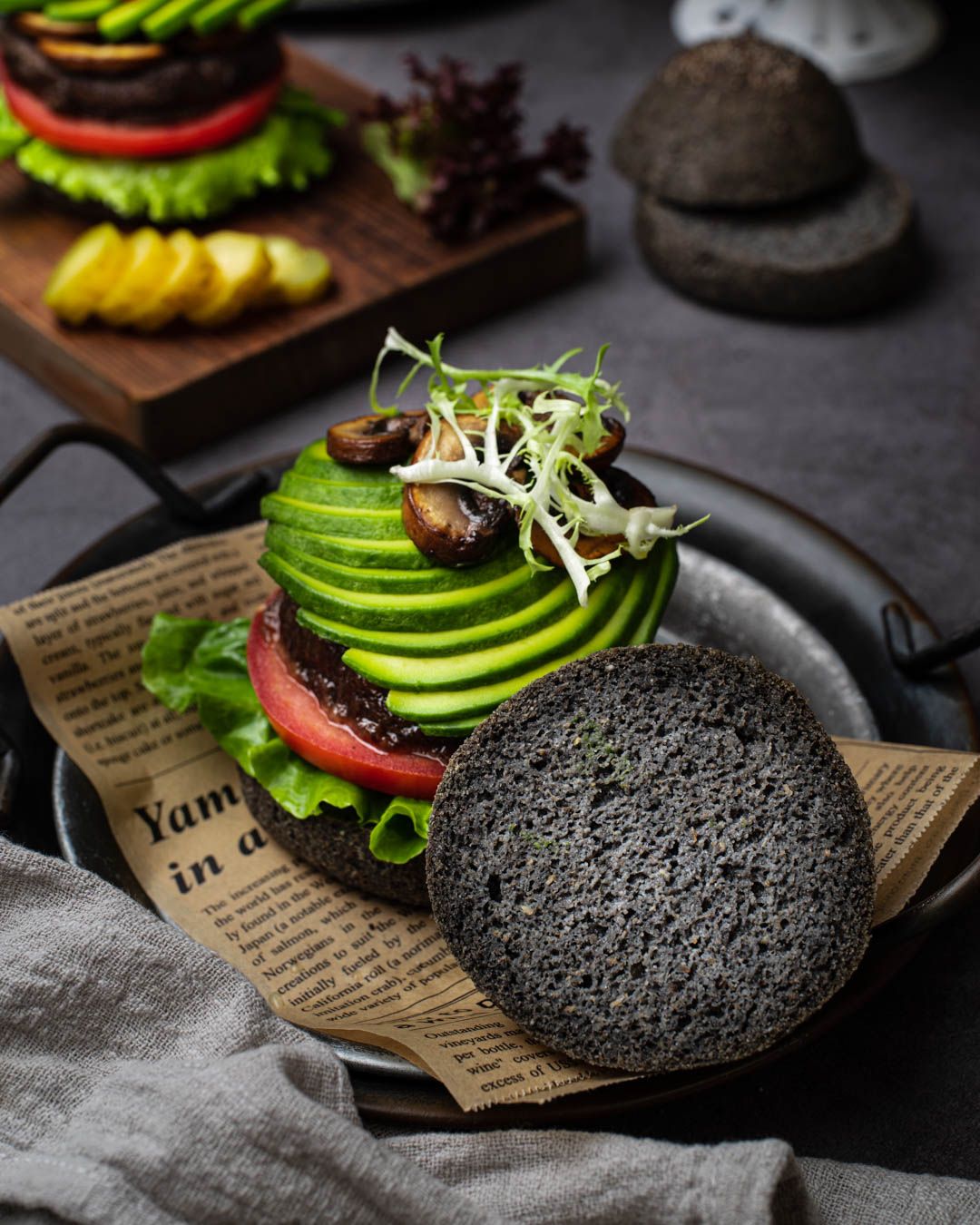
Soft, fluffy vegan keto bread buns made with black sesame powder — eggless, low-carb, and gluten-free!
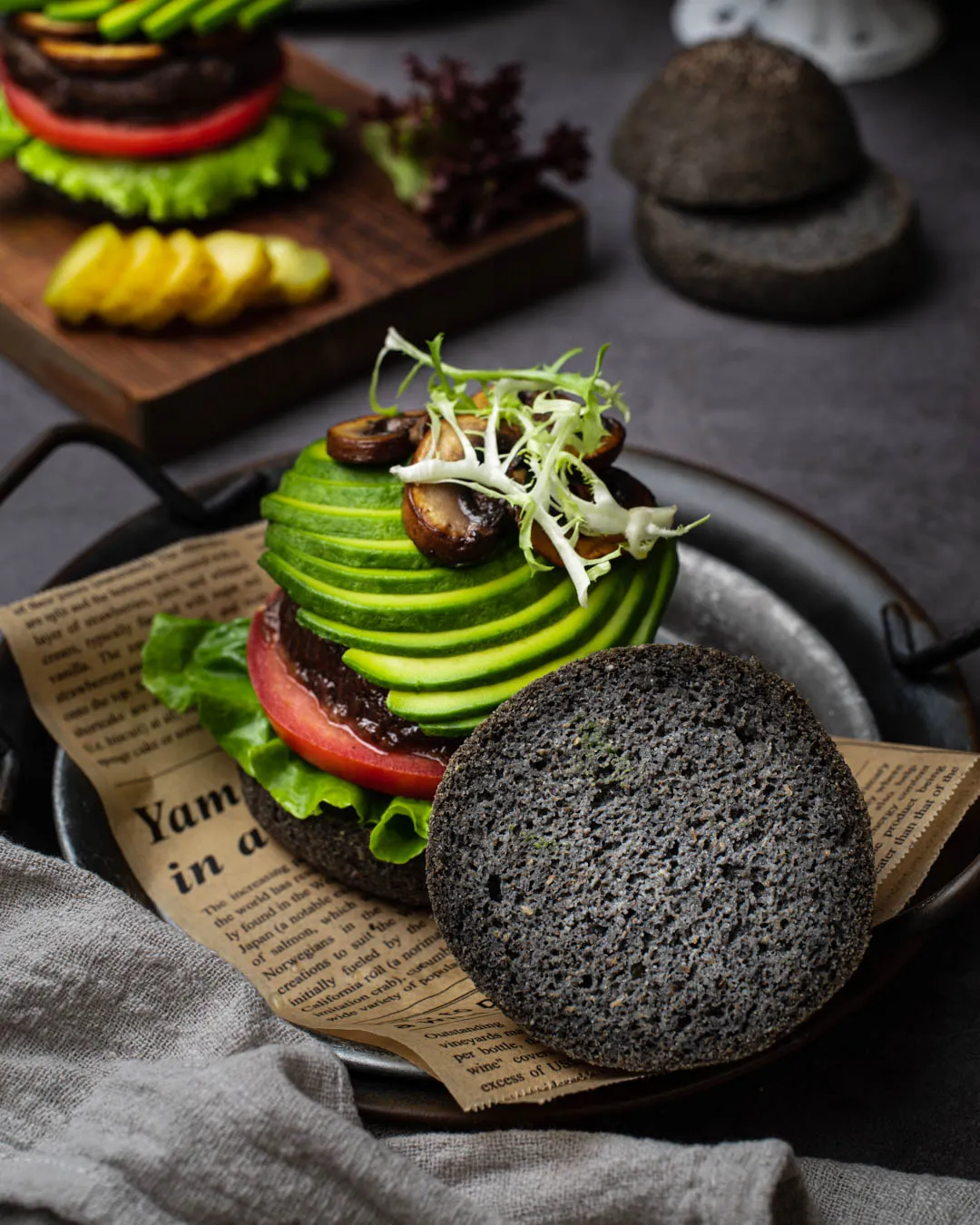
I love baking these buns for burgers, and I know you’re looking for a recipe like this too! I’m not vegan (vegetarian, though), but I know that following a ketogenic diet as a vegan is incredibly challenging — it might be the most demanding diet I’ve come across! That’s why I wanted to create a vegan keto bread recipe.
Before arriving at this recipe, I ran countless experiments and baked over 15 BATCHES OF BUNS AND LOAVES. Sometimes I failed, and sometimes the texture just wasn’t quite right. One day, while baking yet another batch, I randomly added some black sesame powder just because I was craving that flavor. Surprisingly, the powder added extra moisture, making the buns SOFTER AND FLUFFIER! They stay soft even when eaten straight from the fridge!
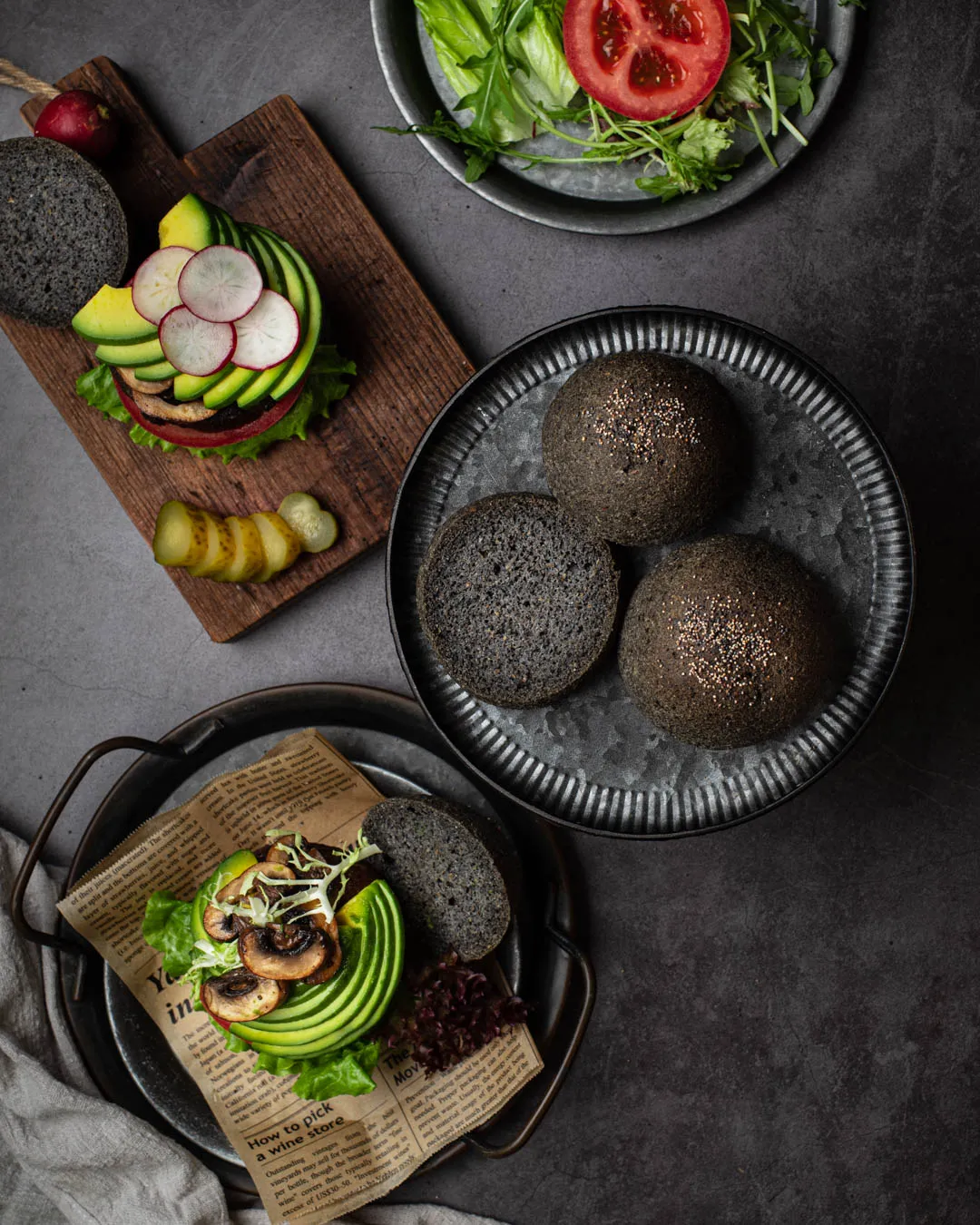
INGREDIENTS & TIPS FOR VEGAN KETO BREAD BUNS
I’m not going to suggest substitutions like I usually do for these vegan keto buns. For one, it’s hard to find replacements for keto-friendly ingredients. For another, it took a lot of trial and error to get the best result for these eggless keto buns.
Almond flour: Blanched, superfine almond flour gives the best texture. You can use blanched almond meal too, but the texture will be coarser.
Coconut flour: It adds natural sweetness to the bread.
Flaxseed meal: I used organic whole ground golden flaxseed meal. You can also use dark flaxseed meal — just make sure it’s ground. If you’re unsure, choose one that can be used as an egg replacer.
Psyllium husk powder/whole psyllium husk: I used Now Foods’ psyllium husk powder. Psyllium husk is an excellent binding agent in eggless and keto baking.
Black sesame powder: I added it to the buns on a whim. It adds a mild black sesame aroma, and I also found that the result is fluffier and more moist compared to buns without it.
Charcoal powder: It gives a nice dark grey color and a very mild charcoal taste. You can omit it if you can’t find it locally, but I personally love the color. Without it, the buns will be more of a brownish grey.
Baking powder: An important leavening agent in this egg-free, yeast-free bread recipe.
Monk fruit sweetener (optional): Omit it if you don’t want your buns to taste sweet.
Lukewarm water: It should be around 38–40°C (100–104°F).
Extra virgin olive oil: If you’re concerned about the smoke point, you can use refined olive oil instead.
Apple cider vinegar: It activates the baking powder.
Blue poppy seeds (optional): For garnishing the tops of the buns.
HOW TO MAKE KETO VEGAN BREAD BUNS
- In a large mixing bowl, whisk together all the dry ingredients until no lumps remain. Add the olive oil, apple cider vinegar, and ¾ of the lukewarm water.
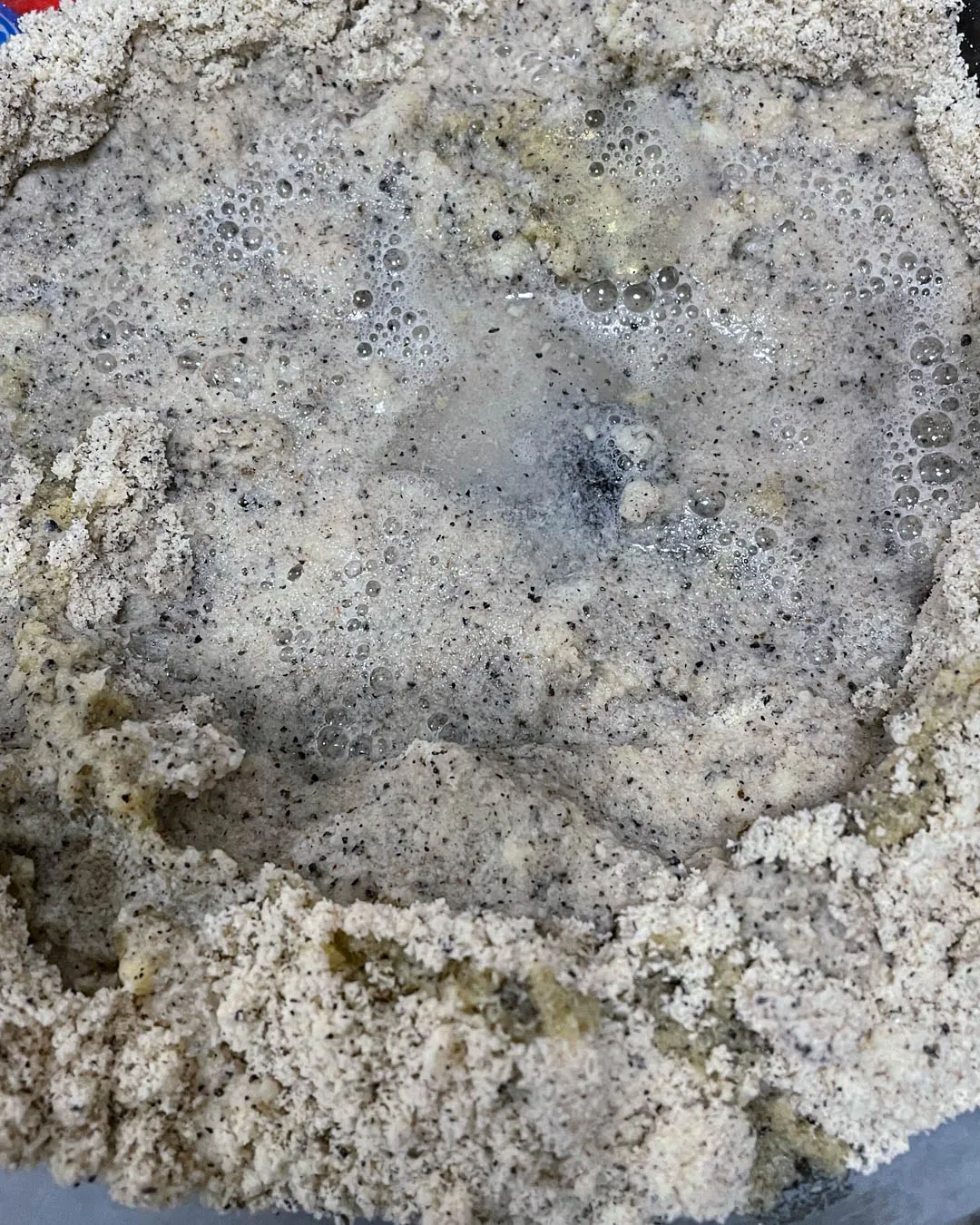
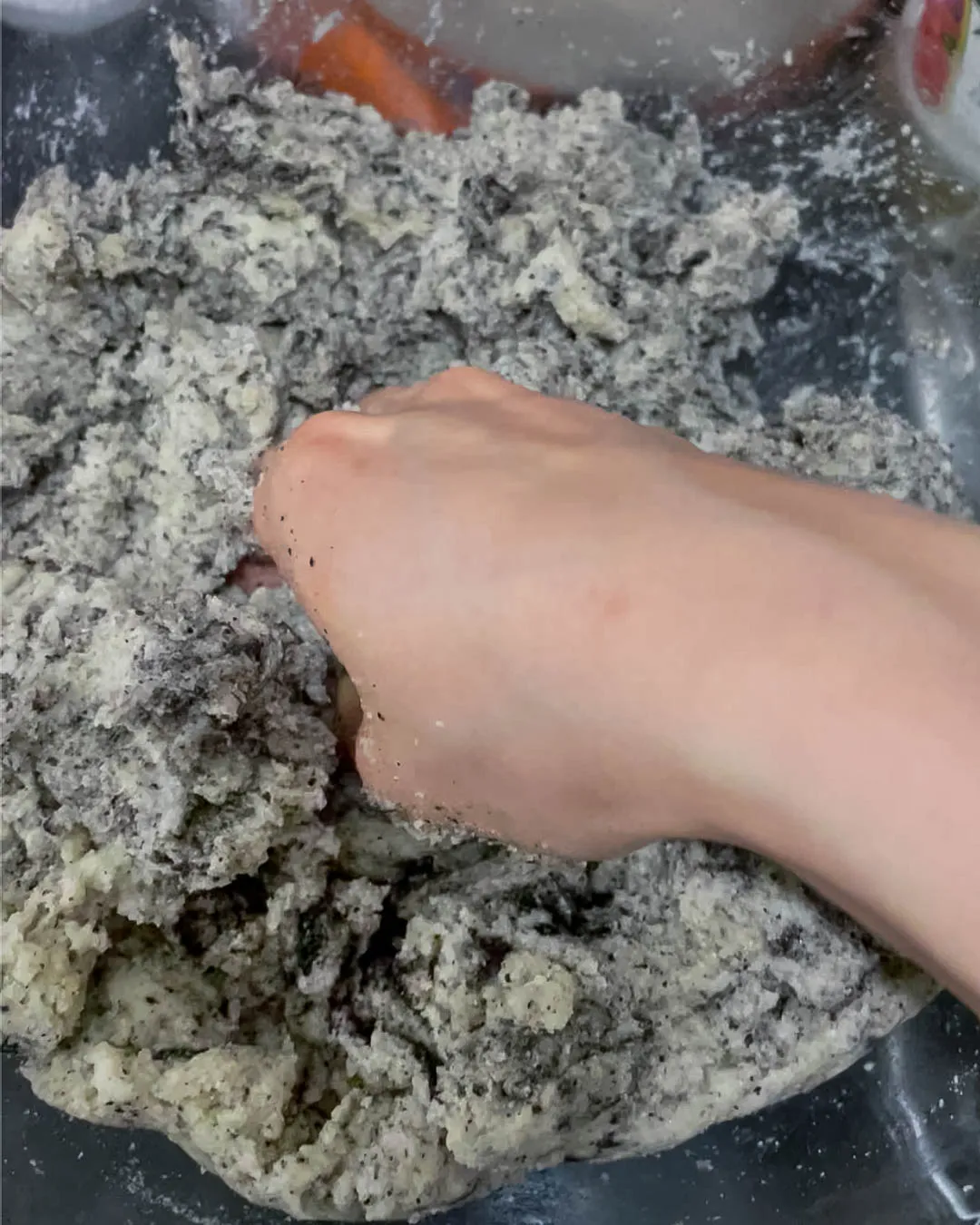
- Roughly combine everything with a spatula first, then knead with your hand for 1 to 2 minutes to form a loose dough ball (don’t press the dough too hard or the bread won’t be fluffy). If the dough holds together, you don’t need to add the remaining water. If not, add the remaining ¼. The dough will be slightly sticky at first but will dry out and should not stick to clean hands.
-
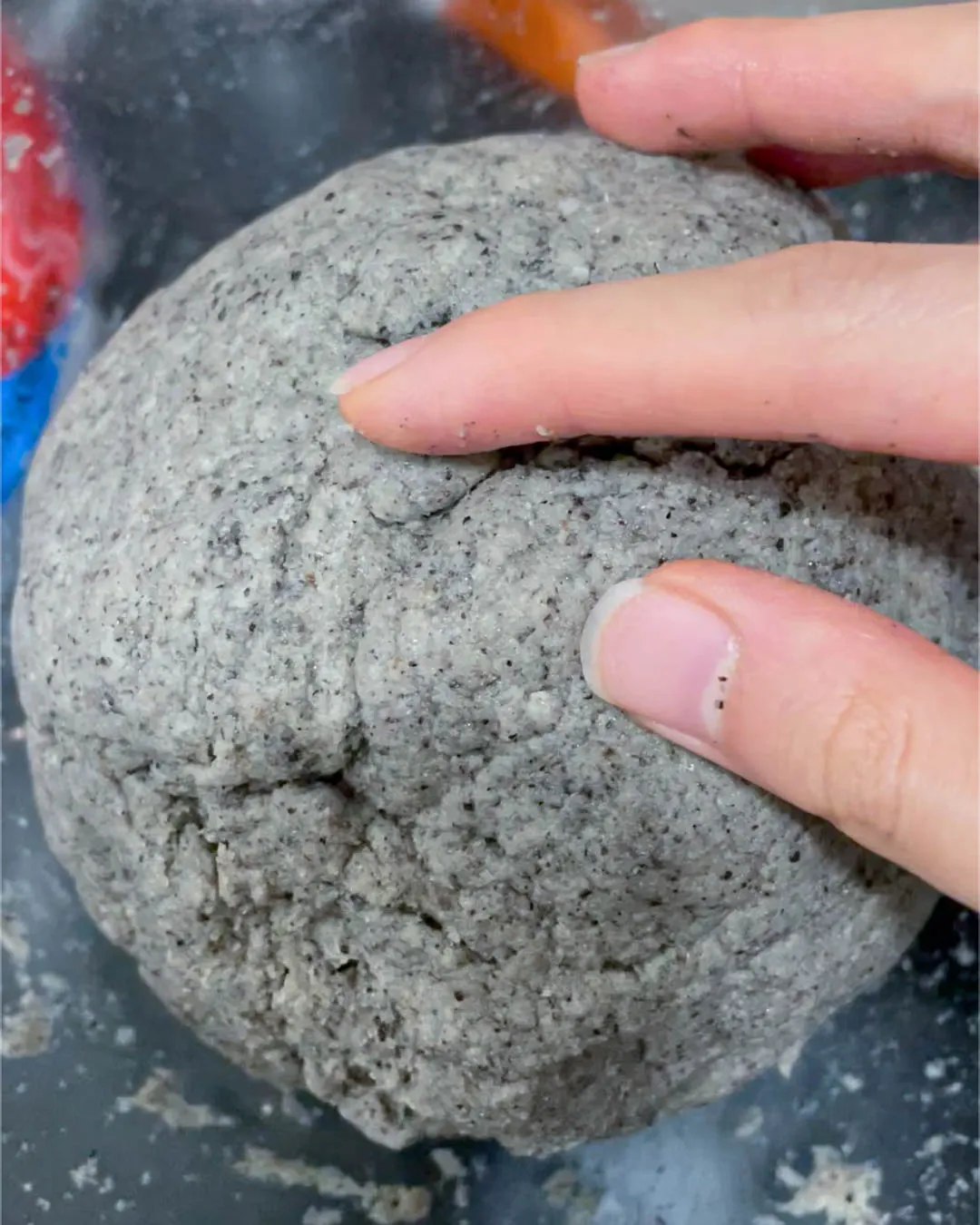
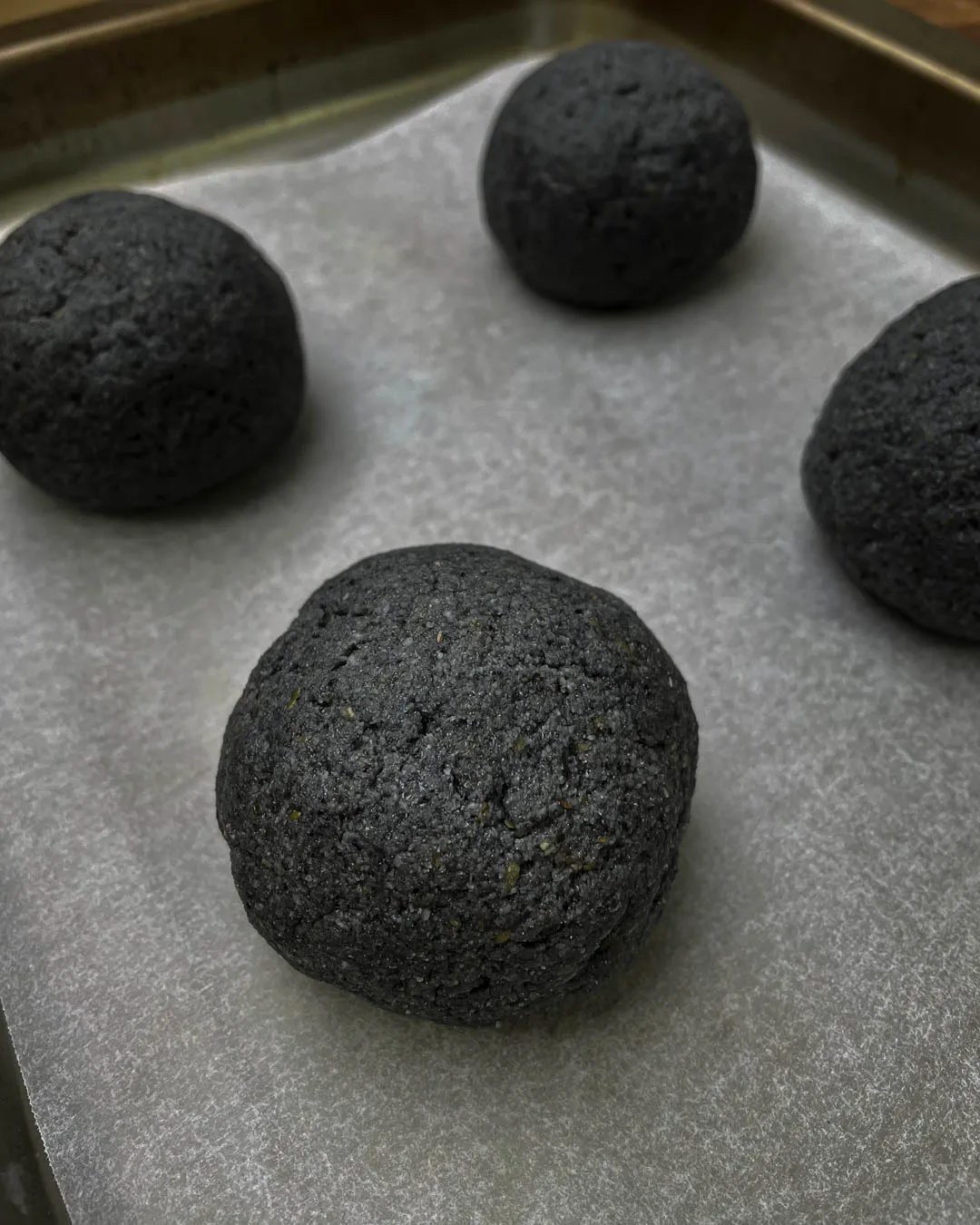
Divide the dough evenly into 4 balls. Round each ball but DO NOT flatten the tops — the buns will become dense. Smooth out the surface with your fingertips.
-
Set the dough balls aside for about 10 minutes to let the fiber absorb the liquid. Meanwhile, preheat the oven to 200°C (400°F) and line a baking sheet with parchment paper.
-
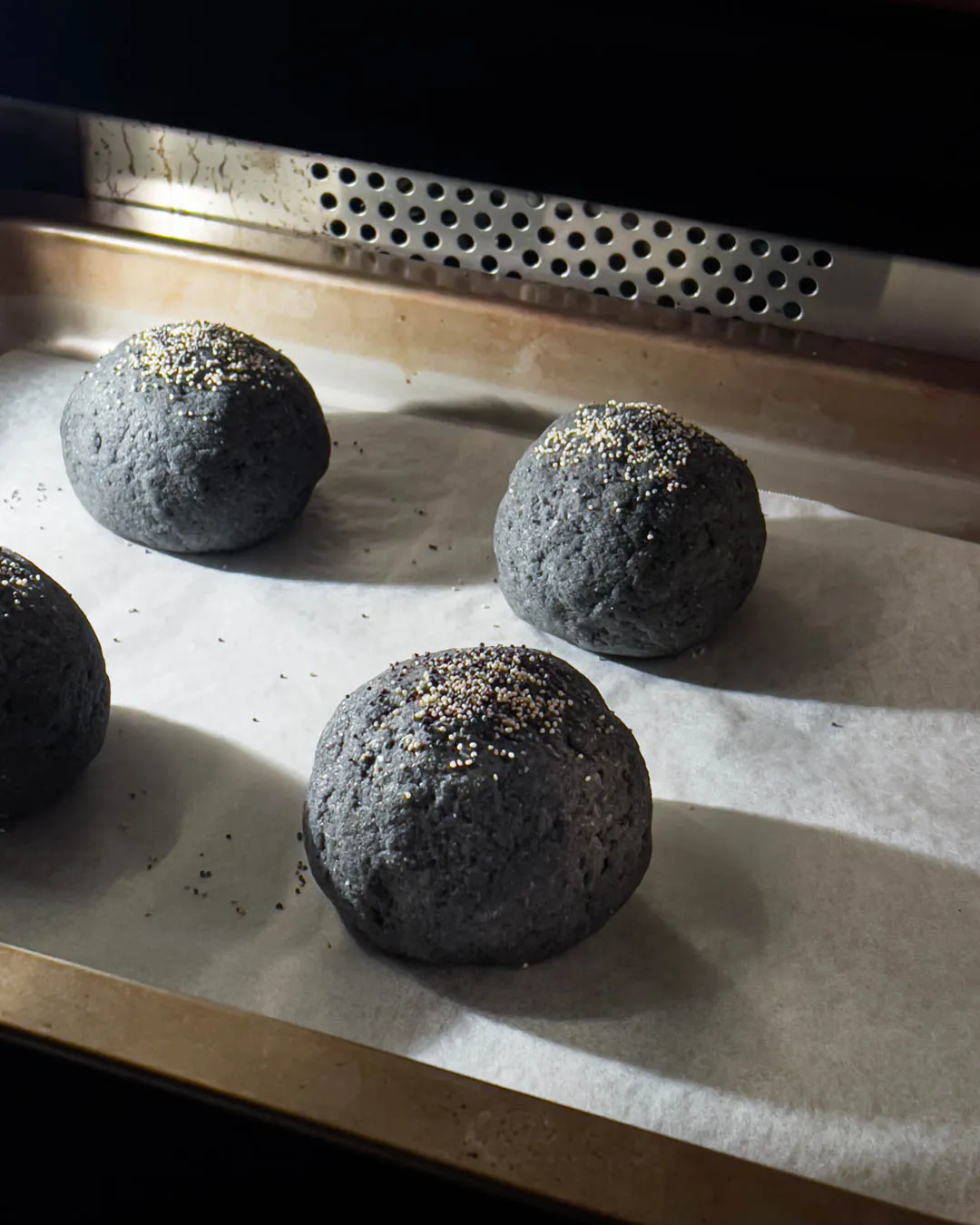
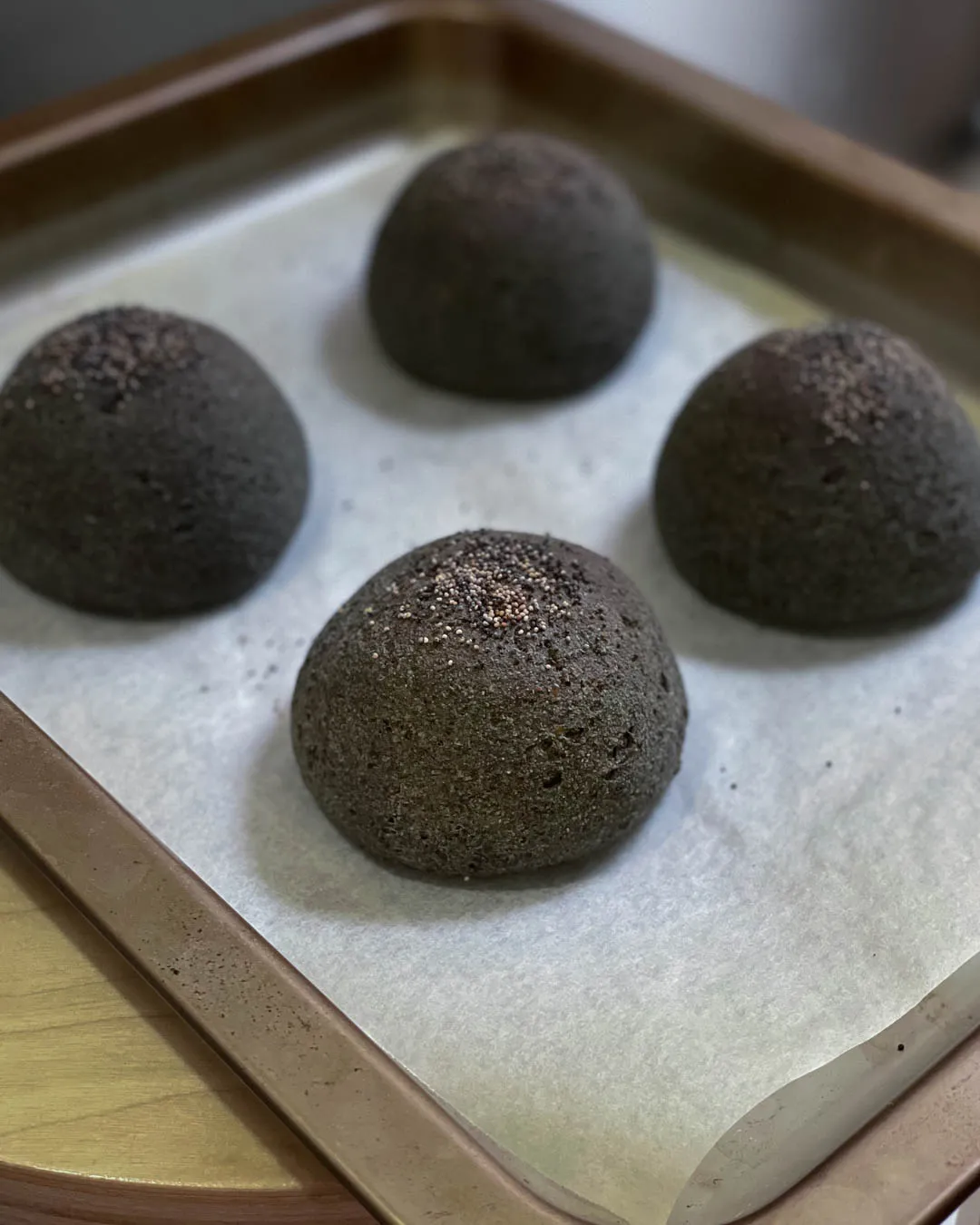
Place the dough balls on the baking sheet. Sprinkle poppy seeds over the tops and press gently with your fingertips (optional). Bake for 50–55 minutes on the middle rack.
-
Poke the buns with a skewer to check if the inside is fully cooked. If not, cover with foil, lower the oven to 180°C (375°F), and bake for 25–30 minutes more.
- After removing from the oven, let cool on the baking sheet for about 15 minutes, then transfer to a cooling rack and cool completely before serving or slicing (about 2–3 hours). The residual heat will continue cooking the inside. If sliced too soon, the texture will likely be gummy and soggy.
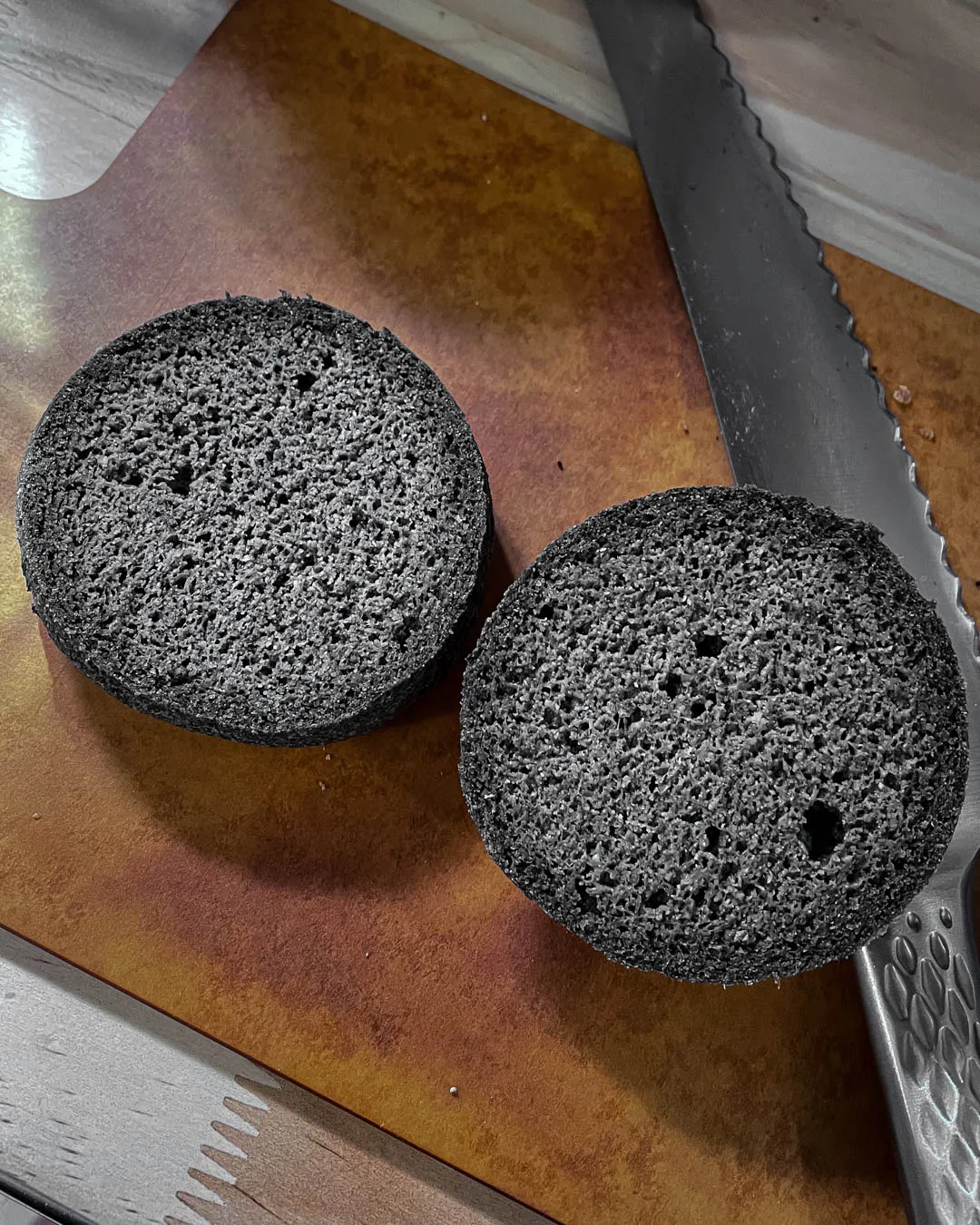
WHY DOES MY KETO BREAD HAVE A HOLLOW SHELL?
I ended up with so many hollow loaves and assumed it was because the oven temperature was too high or the psyllium husk powder wasn’t fine enough. Turns out I was completely wrong.
Many recipes online call for activating psyllium husk powder with boiling water, and I tried that too. However, it didn’t fix the hollow bread, so I don’t think it was about the water temperature. One time I tried increasing the oven temperature from 180°C to 200°C, and I never got hollow bread again! I believe some ingredients in the bread only activate properly at temperatures above 180°C.
WHAT DOES PSYLLIUM HUSK DO FOR EGGLESS KETO BREAD?
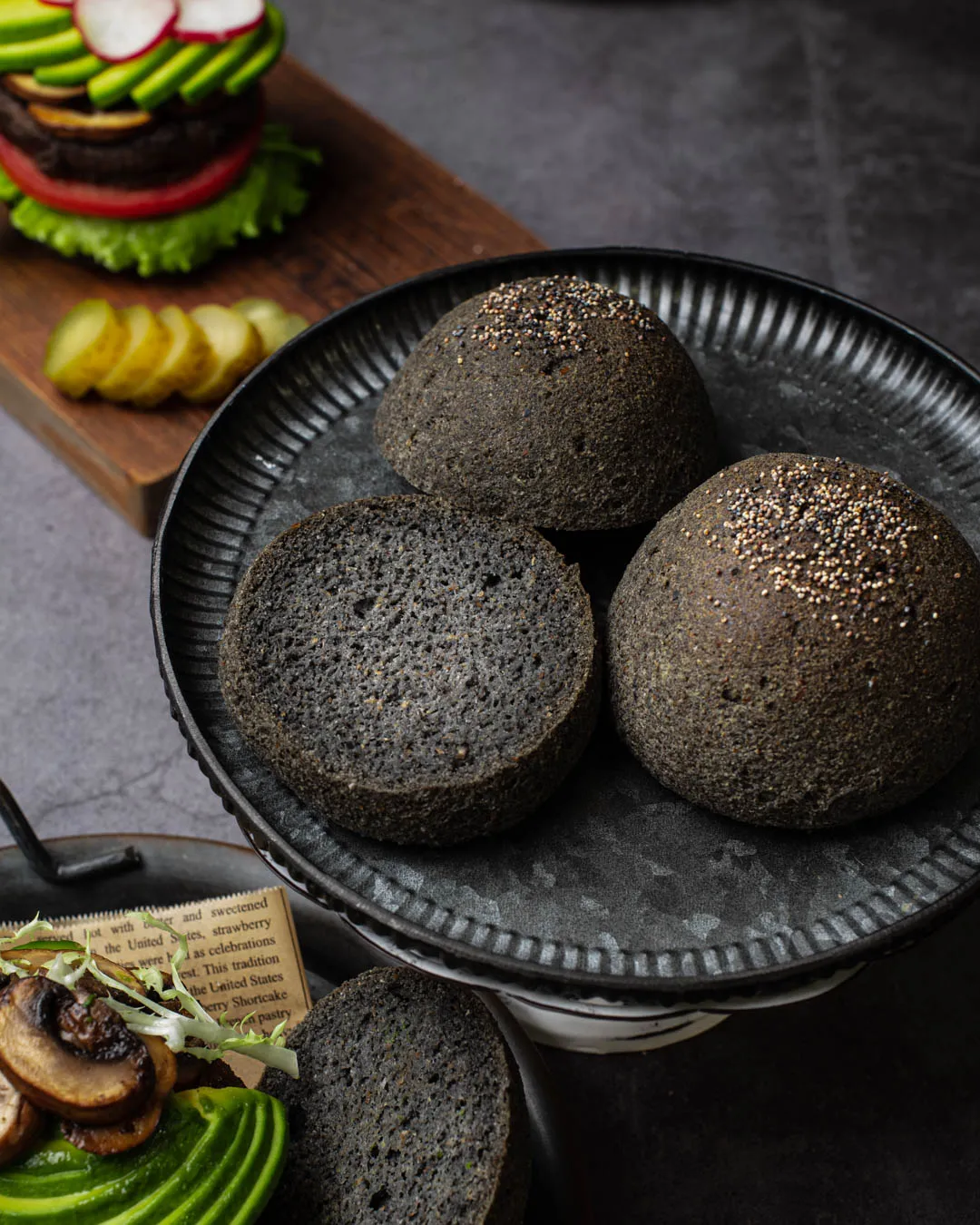
Gluten-free baking often calls for psyllium husk powder. It’s an excellent binding agent in both low-carb and gluten-free baking when it absorbs enough liquid. It makes eggless keto bread moist and elastic, just like regular bread!
Psyllium husk is a soluble fiber that supports digestive health. It’s a perfect ingredient for low-carb and keto baking because it’s very low in net carbs while adding fiber to your diet. It can also help stabilize blood sugar levels and keep you full for a long time!
WHY ARE MY KETO BREAD BUNS SOGGY?
Water absorption varies from brand to brand. Add ¾ of the suggested amount of water and knead for 1 to 2 minutes to try forming a dough. If it holds together, you don’t need to add the remaining water. The dough will be slightly sticky at first but will dry out and should not stick to clean hands.
Don’t forget to let the dough sit for about 10 minutes before baking! The fiber needs time to absorb the liquid.
As mentioned in the recipe, the buns need 2 to 3 hours to cool completely. If you slice them before that, they’ll likely be soggy.
CAN I MAKE A VEGAN KETO BREAD LOAF INSTEAD OF BUNS?
Yes, of course! I’ve used this recipe for a rustic round loaf, which can be sliced into 6 to 7 pieces. Whether you’re making a loaf or buns, remember to shape the dough with a rounded top — ideally like a ball. Unlike regular bread, low-carb yeast-free bread (especially eggless) only rises a little, so you need to give it room to expand and develop air pockets. It will turn out dense like a biscuit if you press and flatten the top!
HOW TO SERVE KETO BREAD BUNS
When I made my first successful low-carb bread, I was so excited because it was fluffy and tasted so similar to regular bread! I was a huge bread lover before going low-carb. I’m not joking — I could eat bread at every meal. I thought I’d do the same. Surprisingly, I felt completely satisfied after just 1 to 2 slices! Now I think it was the carbs that kept me eating more!
I normally have a vegan keto bun for my first meal —
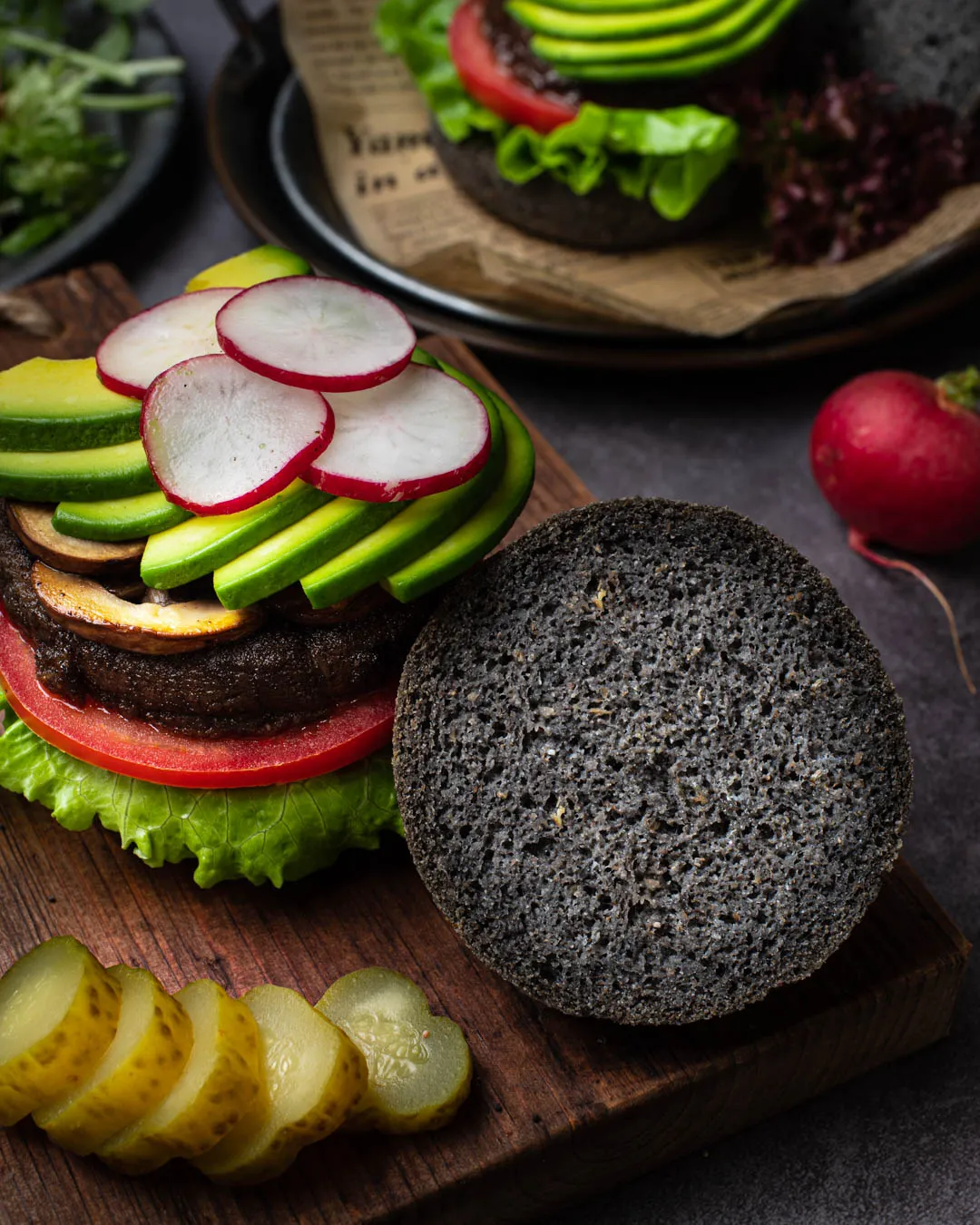
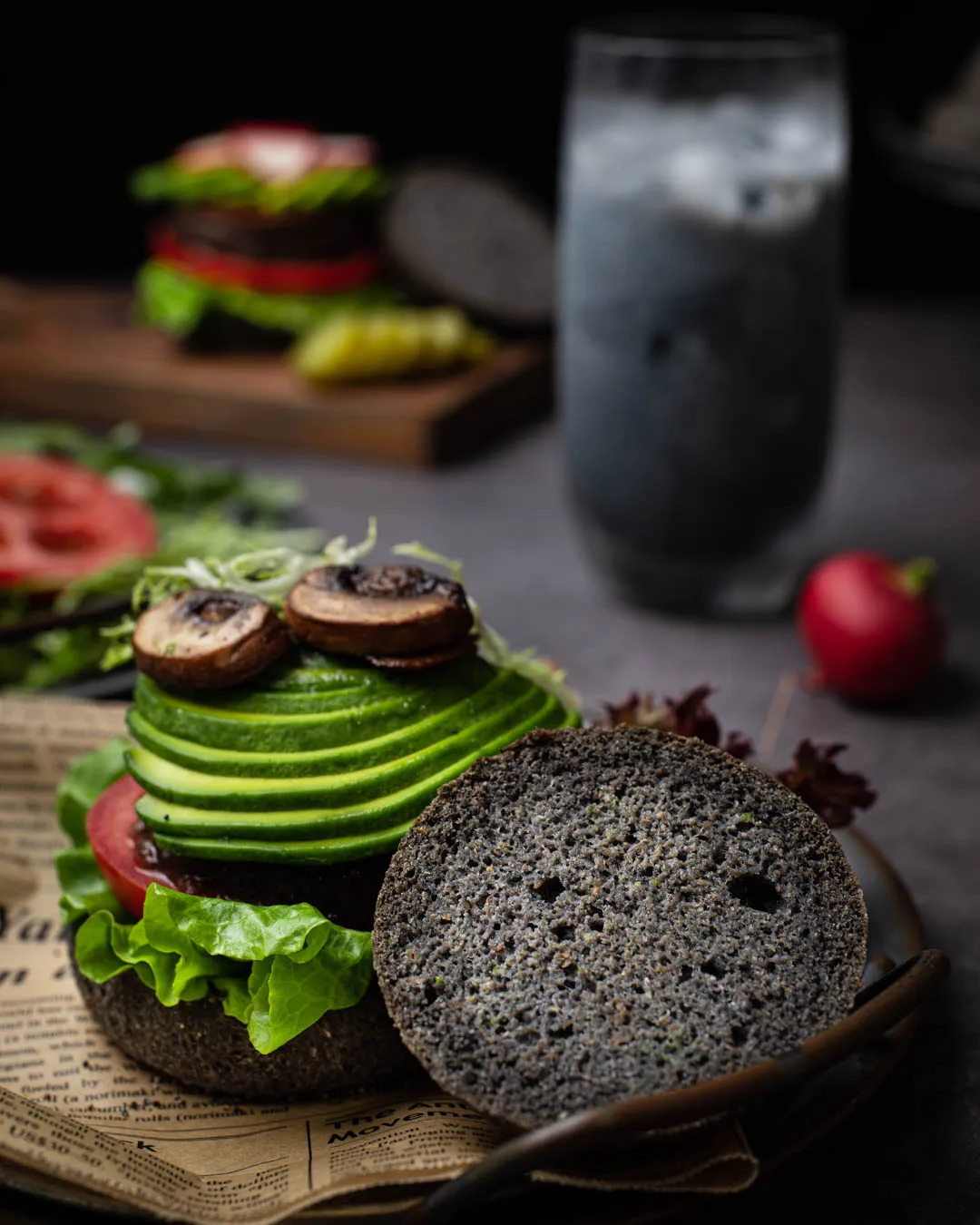
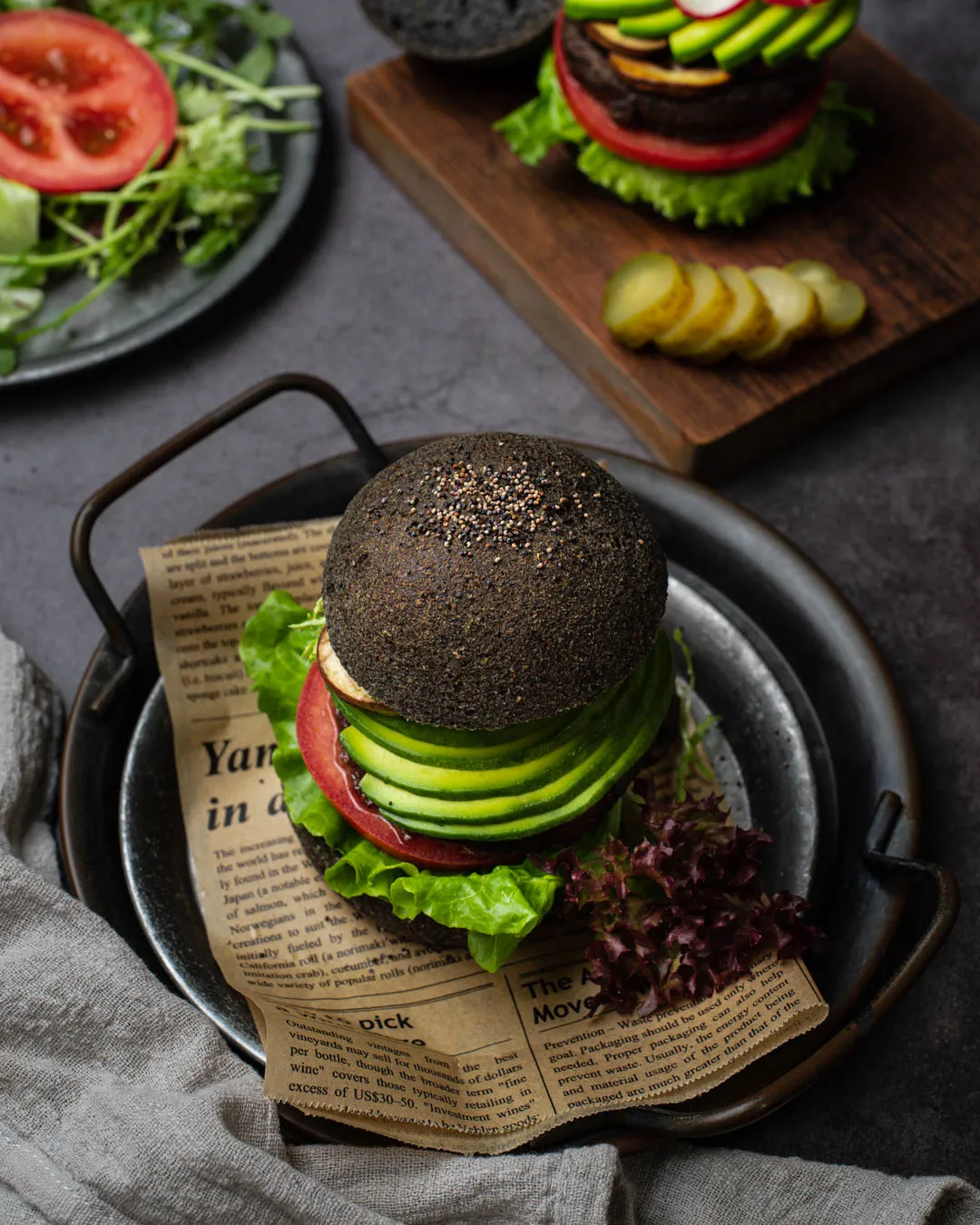
Burger bun: Slice and toast the bun in a toaster or frying pan, then add lettuce or any keto veggies, vegan cheese or regular cheese, and portobello mushrooms.
English muffin: Spread nut butter or keto-friendly jam on it.
Poached eggs benedict: Add spinach, poached eggs, avocado, and mushrooms.
Full English breakfast: Serve with pan-fried tempeh, scrambled eggs, mushrooms, and your favorite keto veggies.
HOW TO STORE KETO BREAD BUNS
Store the buns in a zip-lock bag or airtight container in the refrigerator for up to 7 days. The best part is you can toast them when serving or eat them straight from the fridge — they’re still soft and fluffy! You can also make a large batch and freeze them. Thaw and toast in a preheated oven at 180°C (375°F) for 10 to 15 minutes before eating.